
How to Know Your Skin Type (Oily, Combination, Dry)
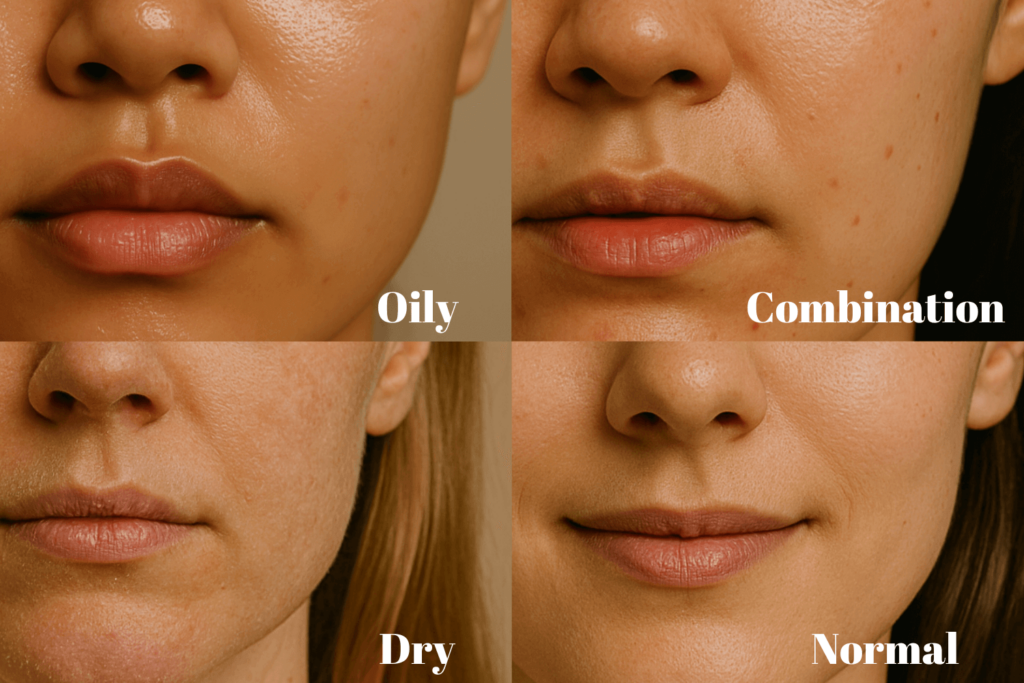
Understanding your skin type is the beginning of an effective skincare routine. The wrong products can cause breakouts, irritation, or dullness; while the right ones enhance your natural glow.
The good news is You don’t need fancy tools to figure out your skin type. With a few simple observations, you can determine whether your skin is oily, combination, or dry.
Start With a Clean Face:
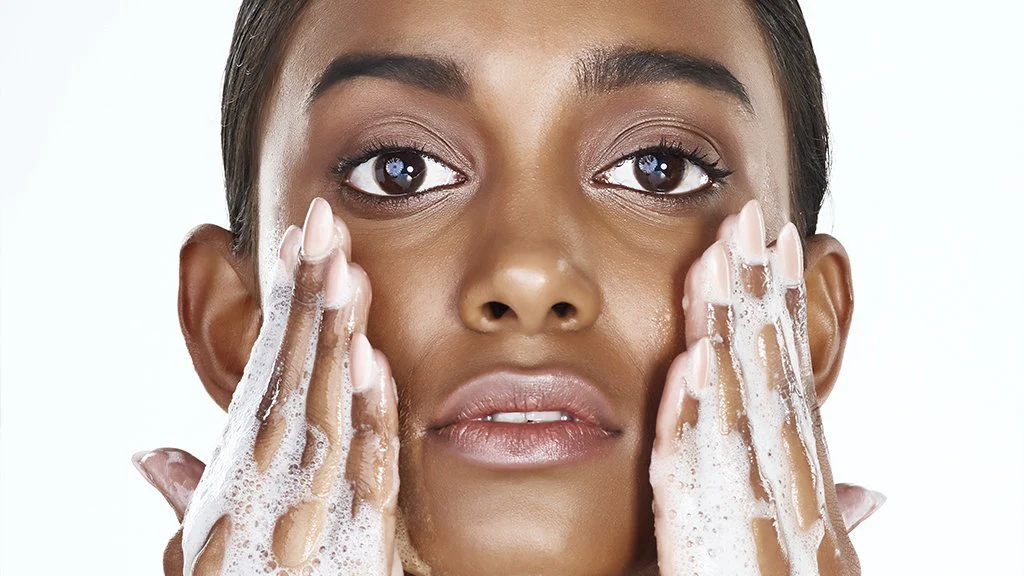
To accurately assess your skin type, begin with this quick test:
- Wash your face with a gentle cleanser.
- Pat dry with a clean towel.
- Do not apply anything, no moisturizer, toner, or serum.
- Wait 1–2 hours and observe how your skin behaves.
Signs of Each Skin Type:
A. Oily Skin:


apscottpersonal.beauty
Oily skin produces excess sebum, especially in the T-zone (forehead, nose, and chin).
You likely have oily skin if:
- Your face becomes shiny quickly, especially after washing.
- Pores appear large or more visible.
- You experience frequent breakouts or blackheads.
- Makeup tends to slide off during the day.
- Your skin feels greasy even without moisturizer.
B. Dry Skin:

Before me lab
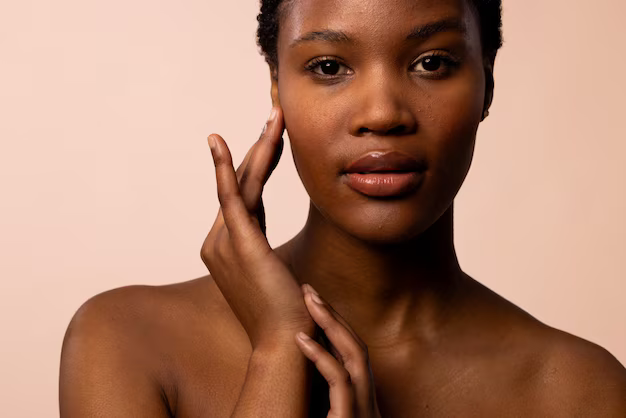
Dry skin lacks moisture and may feel tight or rough.
You likely have dry skin if:
- Your skin feels tight after washing.
- You notice flakiness or ashiness.
- Your complexion looks dull or rough.
- Fine lines are more visible.
C. Combination Skin:


: Oh Beauty
Combination skin is a mix of oily and dry areas.
You likely have combination skin if:
- Your T-zone (forehead, nose, chin) gets oily.
- Cheeks and jawline feel normal or dry.
- You experience occasional breakouts in the T-zone.
- Pores are larger on the nose but smaller elsewhere.
Conclusion:
Knowing your skin type empowers you to choose the right products and maintain a healthy, glowing complexion. Whether your skin is oily, dry, or a little of both, understanding its behavior is the first step toward effective skincare.